Case study: investment committee pack automation for an institutional allocator. Intelligence Holdco connected portfolio data feeds to template-driven document generation with dual review on figures.
Client context
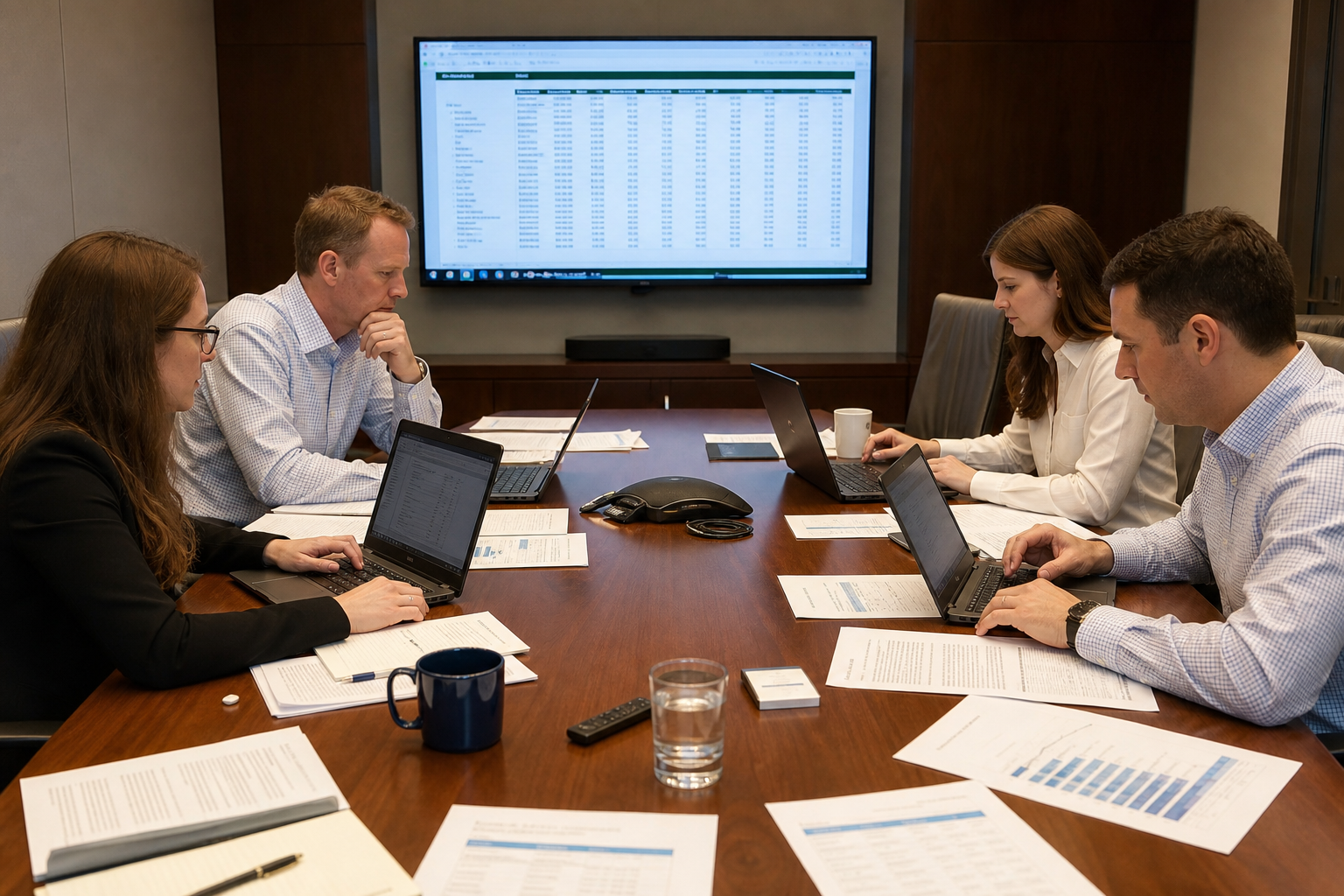
Monthly committee packs assembled manually from spreadsheets and manager PDFs. Version errors delayed meetings; chairs received inconsistent section ordering.
Problems encountered
Data breaks between custodian and internal models discovered late in pack cycle.
Narrative sections duplicated across managers with conflicting terminology.
Risk metrics calculated differently in appendices versus executive summary.
Our approach
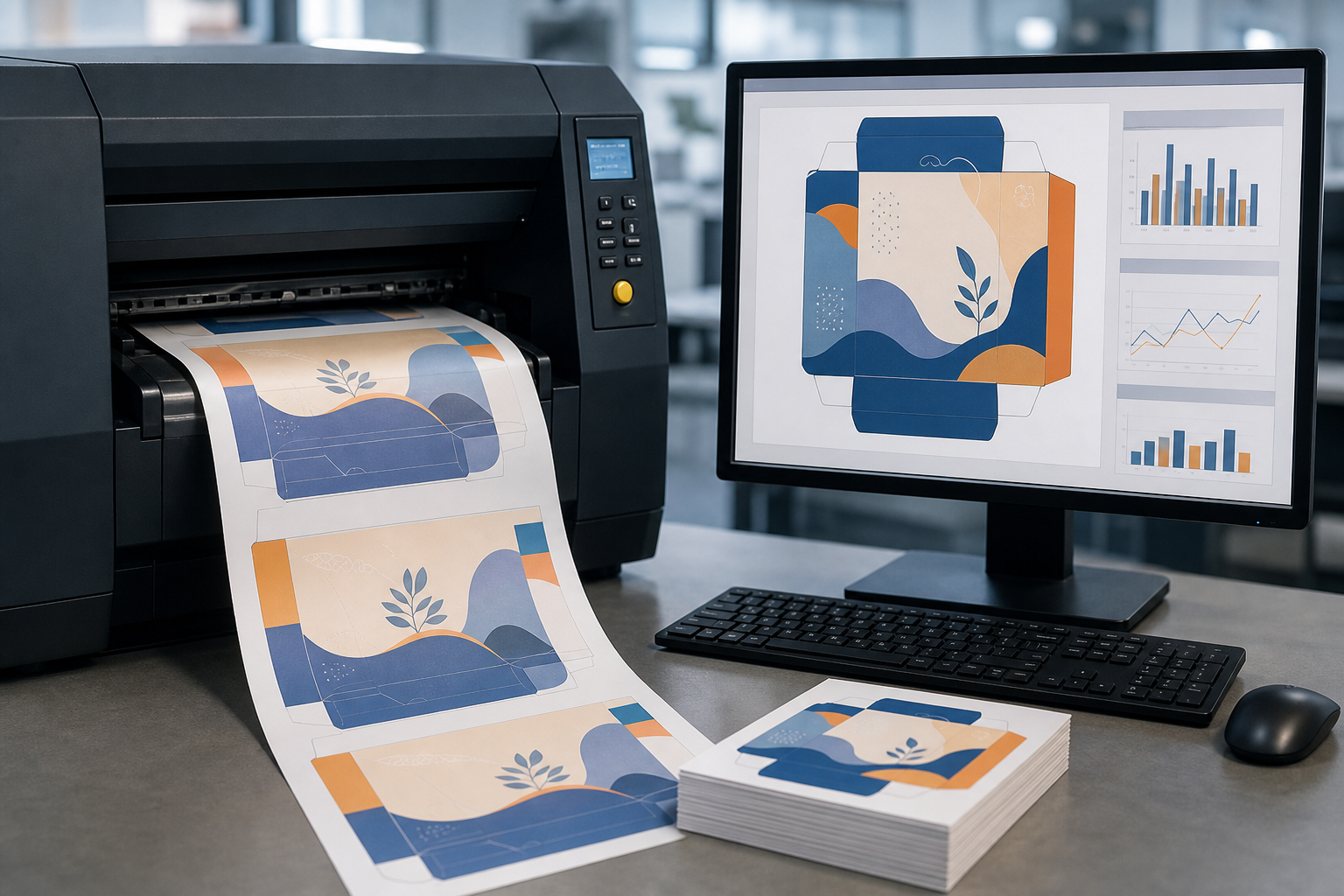
Defined canonical pack schema with mandatory sections and glossary.
Automated figure extraction with reconciliation status flags blocking narrative until green.
Workflow routed drafts to investment team then risk second line.
Implementation measures
Templates versioned; each pack stored generation identifier.
Commenting remained in-platform to avoid email attachment sprawl.
Archive search allowed historical comparison for committee questions.
Technical challenges
One manager feed lagged 24 hours; SLA banners appeared on affected sections automatically.
FX conversion rules required explicit documentation in glossary tooltips.
Outcomes
Pack preparation calendar advanced by several business days on average.
Figure-related objections in meetings declined in subsequent quarter.
Committee minutes referenced pack version ids improving audit trail.
Intelligence Holdco view
Institutional clients benefit when pack automation respects their IPS vocabulary—not generic vendor labels.
Client identity and technical environment details are anonymised. Outcomes describe operational improvements—not securities performance.
Collaboration model
Joint steering committees met fortnightly with decision logs published within twenty-four hours.
Product owners from the client had direct access to backlog prioritisation workshops.
Lessons retained
Playbooks updated after go-live incorporated lessons from hypercare tickets.
Internal Holdco knowledge base entries anonymised for future proposals.
Risk management during delivery
Delivery risks—vendor delay, key illness, environment access—tracked in RAID logs shared with steering committee.
Knowledge transfer metrics
Training attendance and runbook exercises measured before hypercare sign-off.
Post-go-live support
Thirty-day hypercare included standard; extension priced in change requests if needed.
Extended outcomes analysis
Risk officers reported higher confidence in figures presented because reconciliation gates blocked publication of amber statuses.
Secretariat time on pack collation shifted to exception review rather than copy-paste.
Committee feedback loop
Chairs reported packs arrived earlier with fewer figure objections. Risk officers used version identifiers in minutes to reference exact data states during queries.
Next steps
Email connect@intelligenceholdco.com or use Request a proposal for a scoped discussion.
Include deployment constraints, user counts, integration inventory, and assurance timelines with your enquiry.
Material on this website is general information about Intelligence Holdco enterprise software and services. It is not financial product advice, a securities offer, or a binding procurement commitment.